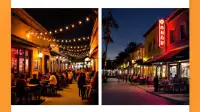

Orange County has long been known for its vibrant in-person entertainment options, from the concert halls of Costa Mesa to the craft cocktail bars in Anaheim’s Packing District. However, a notable shift is underway as more residents are opting to stay home, not out of disinterest, but because online entertainment has become influential enough to compete with traditional outings. This local trend mirrors a broader national pattern.
Across the United States, leisure hours are increasingly spent engaging with digital content. In 2024, U.S. consumers dedicated $56.2 billion to online entertainment, marking a 22.2% increase from the previous year. Subscription streaming services alone accounted for over $52 billion of this total, indicating a significant cultural consumption shift toward digital platforms.
This national trend finds particular resonance in Orange County. Residents here tend to be educated and tech-forward. The county's strong economy, low unemployment rates, and rising median incomes mean households possess both the disposable income and the connected devices needed to fully engage with available online options. For many, staying in is no longer seen as settling, but as a deliberate and often practical choice.
Technology has removed a significant barrier to entertainment: the necessity of physical travel. High-speed internet, mobile applications, and on-demand platforms now replicate, and sometimes enhance, experiences that previously required driving, parking, and waiting in line. The living room has transformed into a comprehensive entertainment hub, capable of delivering everything from the latest film releases to live multiplayer games and restaurant-quality meals.
Online gaming platforms exemplify this evolution. Services, including Bitcoin casinos with fast payouts, allow players to access games instantly and manage funds quickly from their phones or laptops. This highlights how convenience and speed have become integral components of the entertainment experience itself, moving beyond the traditional wait times for withdrawals or the need for physical venues.
This shift does not represent a replacement of traditional entertainment but rather an expansion. While online concerts are streamed, live venues continue to sell out. Similarly, gourmet food can be ordered through apps, yet restaurants remain packed on weekends. Even in fitness, approximately 63% of Americans participate in virtual classes, but physical gyms are still thriving. The pattern indicates that people choose to go out for atmosphere and stay in for control.
The fundamental change for Orange County is that entertainment is no longer strictly tied to a specific location. Residents can now access similar experiences—films, games, social interactions, and even high-end dining—without leaving their homes. When they do choose to venture out, it is by choice, not out of necessity.
The more nuanced story involves the blending of online and live experiences. Virtual event attendance has normalized the concept of a preliminary experience, which can actually drive increased foot traffic to physical venues. For example, a resident might stream a local artist's performance mid-week and then attend their in-person show later. Orange County's robust digital infrastructure supports this hybrid model, with Information and Communication Technologies ranking as the second-highest workforce development priority across the county through 2025-2029, reflecting significant regional investment in digital capacity. As the local economy increasingly relies on digital, residents naturally follow suit.
Local venues are responding to this trend by adapting rather than panicking. Many are embracing hybrid models, offering streaming viewing parties, interactive trivia nights with app-based participation, and social media integration to extend the reach and impact of their events. Orange County's cultural identity, rooted in its beach culture, suburban sprawl, and a demand for quality entertainment, is not displaced by online options but rather extended into previously unreachable hours and spaces. This expansion ultimately means more entertainment hours are available, benefiting businesses, artists, and residents seeking leisure activities.