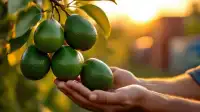
The California Avocado Commission has launched a new campaign video, issuing a warning that American farmers are on the precipice of a culinary disaster. The commission attributes this risk to an unlevel playing field with Mexican imports. This urgent call for action coincides with U.S. Trade Representative Jamieson Greer’s statement that the United States has declined to renew the United States-Mexico-Canada Agreement (USMCA) in its current form.
As Washington prepares for a critical third round of bilateral negotiations with Mexico, domestic growers are urgently calling for a seasonal import policy. They argue such a policy is essential to prevent the domestic industry from being completely wiped out. The Commission is advocating for a seasonal Tariff Rate Quota (TRQ) on Mexican imports, specifically from March through September. Under this proposed policy, a baseline volume of Mexican avocados would be allowed to enter the U.S. duty-free. However, any imports exceeding that threshold would face high tariffs. Prominent industry figures and political leaders have stepped forward to support this initiative.
A significant concern driving the Commission’s appeal to Washington is the dangerous escalation of organized crime infiltrating Mexico’s multi-billion-dollar avocado trade. Shifts in the international illicit drug market, particularly the rise of synthetic fentanyl, have reportedly eroded traditional cartel revenues. In response, powerful criminal syndicates have diversified their operations by extorting agricultural sectors.
In major Mexican production hubs such as Michoacán and Jalisco, violent cartels are now aggressively extorting local growers, hijacking cargo trucks, and controlling key points of the supply chain. This volatile climate has led to severe disruptions in safety oversight. The California Avocado Commission previously raised concerns that cartel threats and violence have directly compromised and reduced U.S. federal oversight of Mexican avocado pest inspections. Without stringent, uncompromised inspections, imported fruit poses a major risk of introducing destructive, invasive pests into American soil, threatening the entire domestic agricultural infrastructure.
The conflict over modern trade policy stands in contrast to the deep, shared history of avocado cultivation across North America. Avocados are native to the New World, with archaeological evidence indicating indigenous populations in Mexico and Central America cultivated the fruit for thousands of years. Following the Spanish conquest, it was introduced to Western botany as the aguacate. In California, the commercial industry began in 1871 when Judge R.B. Ord introduced the first avocado trees to Santa Barbara. The Hass avocado, patented in 1935 by Southern California postal worker Rudolph Hass from a single mother tree in La Habra Heights, became the global standard.
Beyond the geopolitics of agriculture, the avocado remains one of the world’s most vital superfoods, celebrated globally for its dense nutritional profile. American growers emphasize that they "cannot continue to provide this vital crop under current trade conditions." They highlight that preserving access to high-quality, safely regulated avocados is essential for public health, given the fruit offers profound medicinal and dietary benefits. By implementing a seasonal tariff policy, the agriculture sector hopes to protect domestic farms from being entirely supplanted by cartel-compromised and environmentally under-regulated supply chains.